Pregnancy Safe Aesthetic Treatments: What You Can Safely Do While Expecting
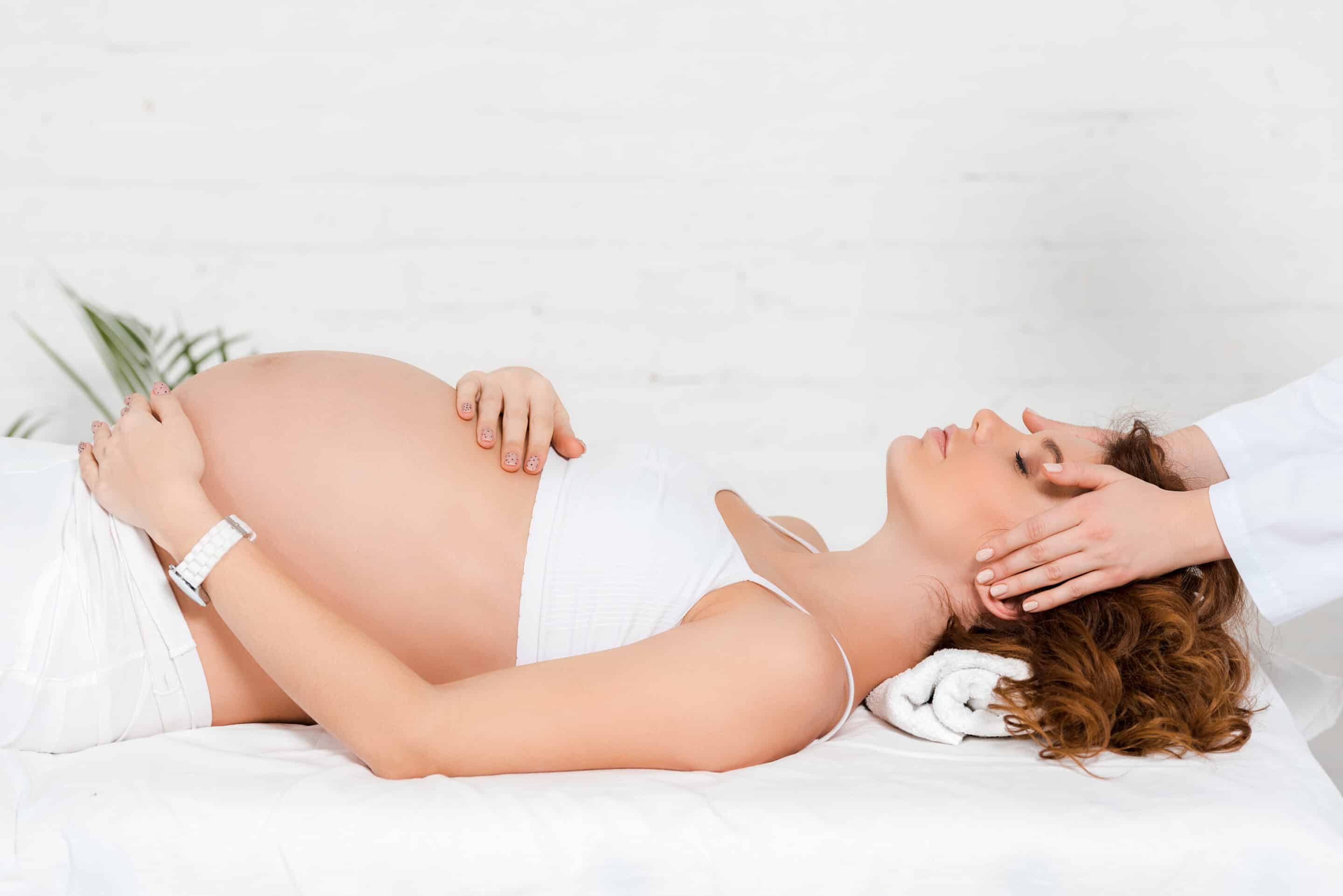
Most aesthetic procedures are postponed during pregnancy, especially injectables and aggressive resurfacing treatments. However, certain pregnancy-safe aesthetic treatments can still support healthy skin. Options like red light therapy, Hydrating Oxygen Facials (Geneo), Hydrafacial without the peel step, superficial microneedling (0.25 depth) without numbing, and ProCell microchanneling may be considered low-risk when performed by a trained medical provider. Always consult your physician before undergoing any treatment while pregnant.
Why Skin Changes During Pregnancy
Pregnancy triggers significant hormonal changes, particularly increases in estrogen, progesterone, and melanocyte-stimulating hormone. These shifts can lead to several skin concerns including:
- acne breakouts
- melasma (“pregnancy mask”)
- increased skin sensitivity
- dryness or irritation
- swelling and fluid retention
Because of these changes, many patients look for pregnancy safe aesthetic treatments that help maintain skin health while avoiding unnecessary risk.
The goal during pregnancy is supporting the skin barrier, calming inflammation, and improving hydration rather than performing aggressive anti-aging procedures.
A Quick Safety Rule
Most physicians follow a simple principle:
If a treatment has not been studied extensively in pregnant patients, it should be avoided.
This is why many aesthetic providers pause treatments such as:
- Botox
- Dermal fillers
- Laser resurfacing
- Radiofrequency treatments
- Chemical peels with strong acids
Even if risks are theoretical, responsible medical practices take a “better safe than sorry” approach.
Pregnancy Safe Aesthetic Treatments
While many treatments are postponed, several low-risk options can still support skin health during pregnancy.
1. Red Light Therapy
Red light therapy is one of the most commonly recommended pregnancy-safe aesthetic treatments because it is non-invasive and does not involve heat, injections, or chemicals.
Red light therapy works by delivering low-level wavelengths of light that stimulate cellular energy and support skin repair.
Benefits may include:
- calming inflammation
- supporting collagen production
- improving skin healing
- reducing pregnancy acne
- improving overall skin tone
2. Hydrating Oxygen Facials (Glo2Facial)
Hydrating oxygen facials, such as the Glo2Facial by Geneo, focus primarily on hydration and gentle skin revitalization.
The treatment uses oxygenation technology combined with topical serums to improve skin nourishment and circulation.
Benefits include:
- improved hydration
- brighter complexion
- gentle exfoliation
- improved nutrient absorption
- reduced dullness
3. Hydrafacial (Without the Peel Step)
The Hydrafacial treatment is often modified during pregnancy to remove the chemical peel portion of the procedure.
When performed without the peel step, the treatment focuses on:
- gentle cleansing
- mild exfoliation
- pore extraction
- deep hydration
This makes it a popular option for patients experiencing pregnancy-related congestion or dullness.
Benefits may include:
- clearer pores
- improved hydration
- smoother skin texture
- reduced pregnancy acne
Avoiding the peel step removes stronger acids that are typically not recommended during pregnancy.
4. Superficial Microneedling (0.25 Depth)
Very superficial microneedling at a 0.25 depth may be used to enhance topical absorption and stimulate mild skin renewal.
At this shallow depth, the treatment primarily works within the superficial layers of the skin rather than triggering deep collagen remodeling.
Potential benefits include:
- improved product absorption
- smoother skin texture
- mild collagen stimulation
- brighter complexion
During pregnancy, microneedling treatments are typically performed without topical numbing agents to avoid unnecessary exposure to medications.
5. ProCell Microchanneling (Without Numbing)
ProCell microchanneling creates tiny microchannels in the skin to stimulate natural healing responses and enhance topical serum absorption.
When performed conservatively and without numbing agents, the treatment remains very superficial.
Benefits may include:
- improved skin texture
- enhanced product penetration
- mild collagen support
- improved skin tone
As with all treatments during pregnancy, provider discretion and physician clearance are important.
Treatments Typically Avoided During Pregnancy
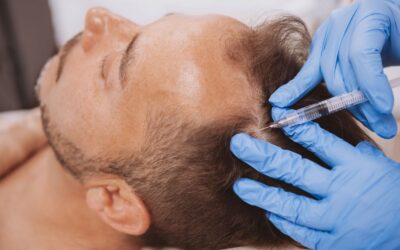
Most aesthetic providers postpone treatments that involve injections, heat-based devices, or aggressive resurfacing.
These commonly include:
- Botox and neurotoxins
- dermal fillers
- radiofrequency treatments
- laser resurfacing
- IPL treatments
- deep chemical peels
Even when risks appear low, most physicians follow a precautionary approach during pregnancy.
The Goal of Aesthetic Care During Pregnancy
Pregnancy is not the time for aggressive cosmetic procedures.
Instead, the goal becomes skin maintenance and barrier support.
Focusing on gentle treatments can help manage common pregnancy skin concerns while postponing more intensive procedures until after pregnancy and breastfeeding.