
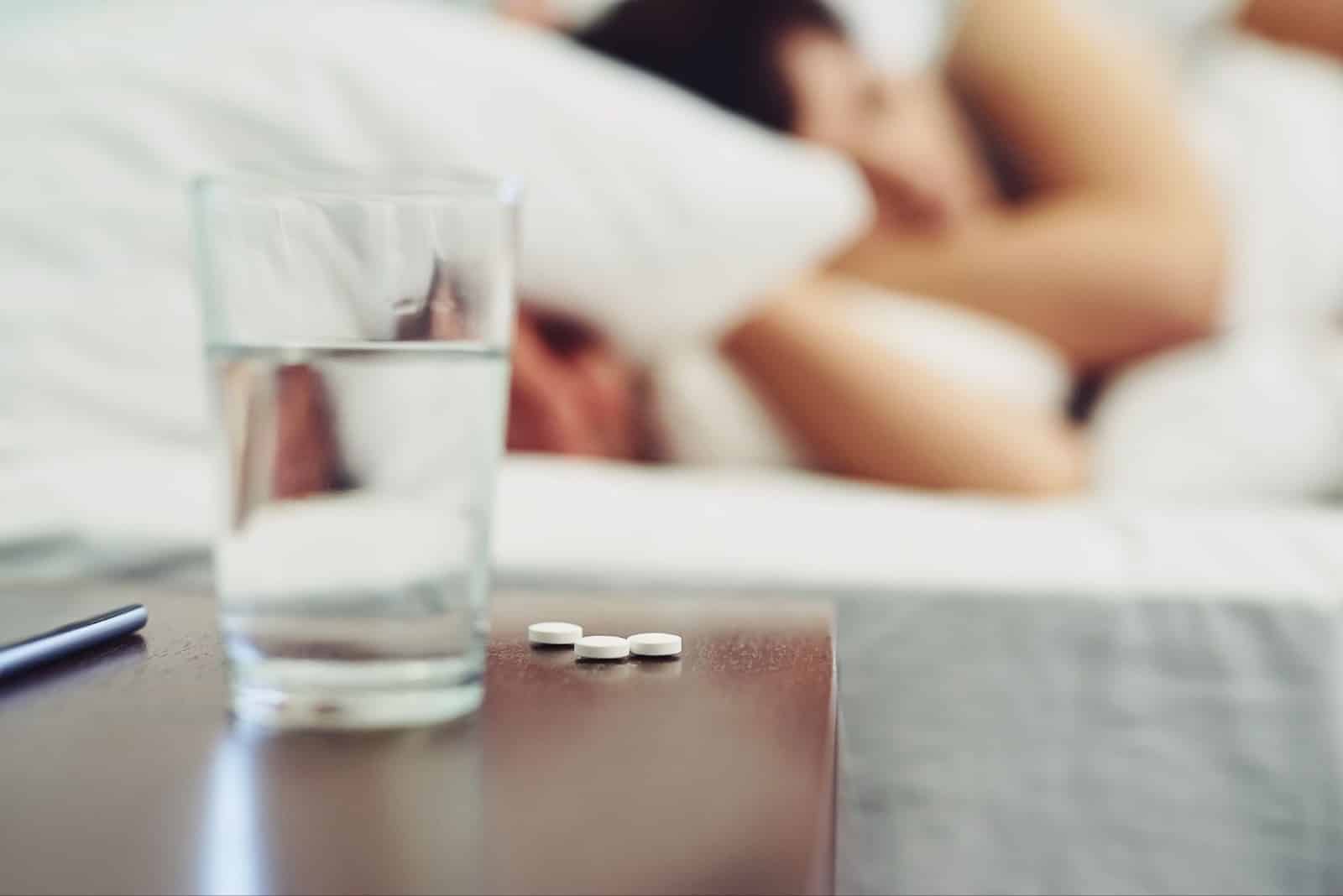
Glycine and Sleep: How This Amino Acid Supports Restful Nights
By Dr. Debra Durst, MD – Founder, RevitalyzeMD
Understanding Glycine: The Natural Sleep-Enhancing Amino Acid
Sleep isn’t just about quantity—it’s about quality. Falling asleep faster and waking up refreshed depends on many factors, including the nutrients you consume.
One often-overlooked supplement is glycine, a naturally occurring amino acid with promising sleep-enhancing properties.
What is Glycine?
Glycine is a non-essential amino acid, meaning your body produces it naturally. Yet it still plays a key role in several bodily functions:
- Acts as an inhibitory neurotransmitter in the central nervous system, similar to GABA.
- Supports collagen synthesis, muscle repair, and detoxification.
- Plays a role in glucose metabolism and cognitive function.
In short, glycine isn’t just a protein building block—it’s a natural sleep-supporting compound.
How Glycine Supports Sleep
The human sleep cycle alternates between NREM (deep sleep) and REM (dreaming) phases. Glycine enhances both sleep onset and sleep quality:
-
- Lowers core body temperature, signaling the body it’s time to sleep.
- Enhances slow-wave sleep (deep sleep) without reducing REM.
- Reduces sleep onset latency, helping you fall asleep faster.
- Boosts daytime alertness and reduces fatigue, even in individuals with occasional insomnia.
How Glycine Works
Glycine interacts with NMDA receptors in the suprachiasmatic nucleus, the brain’s master clock, to regulate sleep-wake cycles. By increasing blood flow to the skin, it promotes heat loss, facilitating natural sleep onset (Kawai et al., 2015; Bannai & Kawai, 2012).
Clinical Evidence
Research supports glycine’s effectiveness for sleep:
- Human studies: 3 grams of glycine before bedtime improved sleep quality and next-day alertness in participants with sleep complaints (Inagawa et al., 2007).
- Animal studies: Glycine administration increased NREM sleep and reduced sleep latency (Ye et al., 2023).
Additional benefits: Glycine may increase serotonin, supporting natural sleep cycles.
Dosing & Forms
- Recommended dose: 3 grams (3000 mg) 30–60 minutes before bedtime.
- Forms: Capsules, tablets, or powder.
- Tip: Powdered glycine is often preferred for faster absorption and flexible dosing.
-
Takeaway
If you struggle with falling asleep, staying asleep, or waking up groggy, glycine may be a simple, natural solution.
Combined with healthy sleep habits—consistent bedtimes, limited screen time before bed, and stress management—glycine can support deeper, more restorative sleep.