

What Is Visceral Fat, and Why It Matters More Than You Think
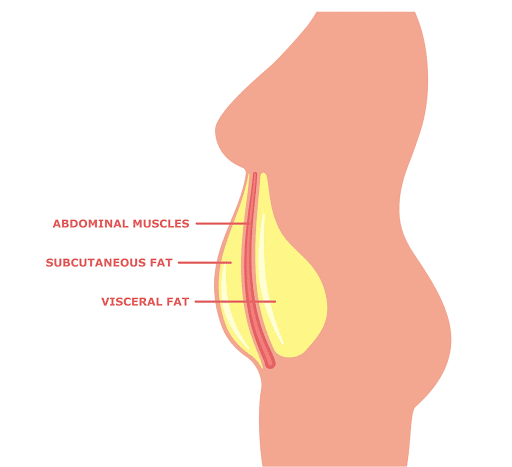
Visceral fat is the type of fat stored deep within your abdominal cavity. Unlike subcutaneous fat (the fat you can pinch), visceral fat surrounds critical internal organs like your liver, pancreas, and intestines. It’s not visible—but it’s far more dangerous.
This hidden fat is metabolically active, meaning it impacts your hormones, inflammation levels, and overall health in significant ways. You could be “normal weight” and still carry a high amount of visceral fat—a condition often referred to as TOFI (Thin Outside, Fat Inside) or skinny fat.
In our Knoxville-based regenerative office, we often see patients who appear healthy on the outside—but are struggling with hidden visceral fat that traditional medicine overlooks.
For a deeper dive into visceral fat and how to target it, watch our newest YouTube episode:
Why Visceral Fat Is So Dangerous (Even If You’re Skinny)
Unlike subcutaneous fat, visceral fat behaves more like an endocrine organ. It releases hormones, cytokines, and inflammatory chemicals that disrupt your body’s normal functioning and increase disease risk.
Health Risks Associated With Visceral Fat
- Cardiovascular disease
- Type 2 diabetes
- High blood pressure
- Insulin resistance
- Hormonal imbalance (low testosterone, estrogen dominance, cortisol spikes)
- Sexual dysfunction in men and women
- Certain cancers (colon, breast, endometrial)
In clinical studies, visceral fat has been shown to be a stronger predictor of chronic disease and mortality than BMI or total body fat.
How Do You Know If You Have Visceral Fat?
You don’t have to be overweight to store visceral fat. Many people with a “healthy” weight still carry high amounts of it due to poor metabolic health or hormonal imbalances.
Visceral Fat by the Numbers
-
A waist circumference over 40 inches in men or 35 inches in women is considered high risk.
-
Men typically store more visceral fat than women, especially before age 50.
-
Postmenopausal women tend to accumulate visceral fat due to the drop in estrogen, which shifts fat storage from the hips and thighs to the abdomen.
What Causes Visceral Fat?
Several modern lifestyle factors contribute to excess visceral fat, including:
-
Hormonal changes (low testosterone, estrogen decline, high cortisol)
-
High sugar intake and processed carbohydrates
-
Sedentary behavior and lack of strength training
-
Chronic stress (cortisol drives abdominal fat storage)
-
Poor sleep and circadian rhythm disruption
Even if your weight appears stable, these root causes can quietly drive visceral fat accumulation and increase your long-term health risks.
How to Reduce Visceral Fat Effectively
Unlike fad diets or cardio-only approaches, targeting visceral fat requires a comprehensive, root-cause approach:
1. Optimize Your Hormones
Hormones like testosterone, estrogen, insulin, and cortisol directly affect how and where your body stores fat.
-
Bioidentical hormone replacement therapy (BHRT)
-
Peptides like semaglutide or tesofensine (under medical supervision)
2. Build Lean Muscle
Strength training is essential to reduce visceral fat. Muscle mass improves metabolic rate and increases insulin sensitivity.
3. Clean Up Your Diet
Eliminate added sugars and ultra-processed foods. Focus on lean proteins, healthy fats, vegetables, and low-glycemic carbs.
4. Prioritize Sleep
Aim for 7–8 hours of uninterrupted sleep. Poor sleep increases cortisol and impairs glucose regulation—both linked to visceral fat.
5. Manage Stress
Stress is one of the most overlooked causes of belly fat. Try:
-
Daily breathwork or meditation
-
Adaptogens (ashwagandha, rhodiola)
-
Cortisol-regulating peptides
Sources
These peer-reviewed studies confirm the dangers of visceral fat and the benefits of targeted fat reduction:
https://pmc.ncbi.nlm.nih.gov/articles/PMC4009335/
https://pmc.ncbi.nlm.nih.gov/articles/PMC2730190/
https://dom-pubs.onlinelibrary.wiley.com/doi/10.1111/dom.14918
Ready to Take Control of Visceral Fat?
If you’re struggling with stubborn belly fat, fatigue, hormone shifts, or unexplained health symptoms—it’s time to look deeper.
Book a Body Composition and Hormone Evaluation at RevitalyzeMD and let us help you reverse visceral fat from the inside out.
Be bold. Be strong. Be metabolically healthy.