
The Science Behind Attraction, Desire, and Oxytocin
By Dr. Debra Durst, MD – Founder, RevitalyzeMD
TL;DR
Attraction isn’t just emotional—it’s chemical. The science behind attraction, desire, and oxytocin reveals how brain chemistry and hormones like dopamine, testosterone, and oxytocin fuel connection, pleasure, and long-term bonding. From pheromones that spark initial interest to oxytocin that deepens love and trust, it’s proof that passion truly begins in the brain—not the heart.
Attraction Starts in the Brain, Not the Heart
When you feel that spark, it’s not your heart—it’s your brain. Attraction activates the brain’s reward system, releasing dopamine, the neurotransmitter behind excitement, motivation, and euphoria.
Dopamine explains why infatuation feels addictive—it’s your brain craving another “hit” of pleasure. For women especially, attraction and desire are largely mental, reinforcing the saying that 99% of sex happens in the brain.
Pheromones: The Invisible Signals of Attraction
The hormones testosterone and estrogen drive desire in both men and women. The brain’s hypothalamus acts as command central, triggering sexual motivation and response. When these hormones are balanced, they heighten arousal, confidence, and sensitivity—key ingredients for a thriving intimate connection.
Hormones like testosterone and estrogen don’t just affect libido—they influence mood, confidence, and overall vitality. At RevitalyzeMD, we specialize in personalized Hormone Optimization and TRT (Testosterone Replacement Therapy) to help men and women rebalance their hormones, restore energy, and reignite desire. Learn more about our Hormone Therapy Approach.
Evolutionary Roots of Attraction
Our biological wiring hasn’t changed much since early humans. Traits like clear skin, confidence, and symmetry are evolutionary markers of vitality and fertility. These ancient cues still influence modern attraction, shaping who we’re drawn to and why certain qualities feel irresistible.
Oxytocin: The Love & Bonding Hormone
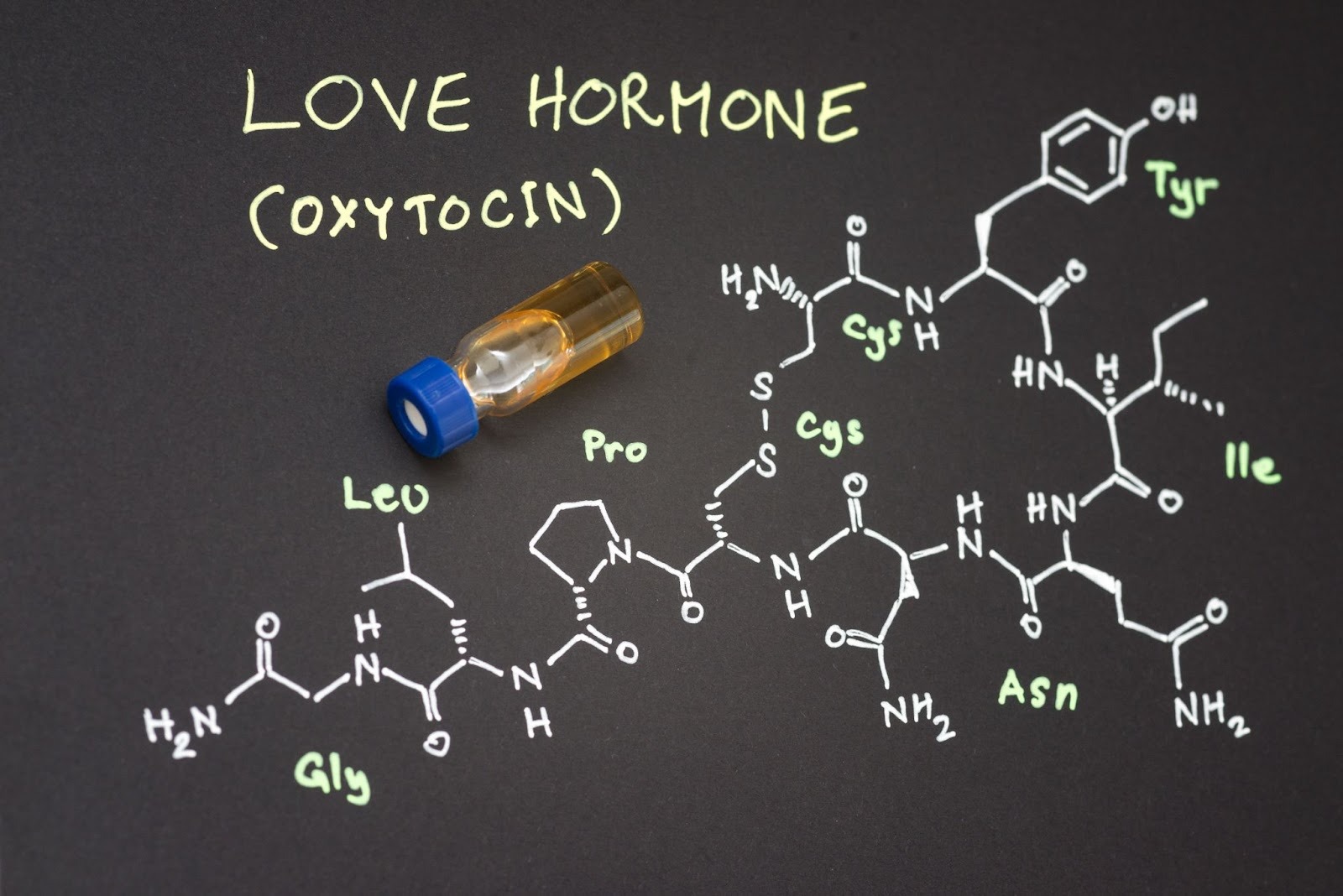
Known as the “cuddle chemical” or “love hormone,” oxytocin is released during closeness, touch, and orgasm—strengthening trust, empathy, and connection. Levels of oxytocin can spike up to five times higher during orgasm, helping to “lock in” intimacy and emotional attachment.
Today, oxytocin is available in dissolvable tablets or nasal sprays, designed to mimic the body’s natural release and enhance connection. While it’s not a magic love potion, it does help the brain associate intimacy with safety, calm, and pleasure—deepening emotional bonds. Learn more about our Sexual Wellness treatments.
Fun Facts About Oxytocin & Connection
💞 20 seconds of cuddling can release enough oxytocin to build trust and comfort.
👁️ 3 minutes of eye contact can raise oxytocin levels, increasing closeness and empathy.
💆♀️ Skin-to-skin touch triggers oxytocin release in under 60 seconds.
💖 Couples with higher oxytocin levels are twice as likely to stay together.
😌 Oxytocin lowers cortisol by up to 50%, reducing stress and promoting relaxation.
🔥 Oxytocin may heighten orgasm intensity, enhancing pleasure and muscle contractions.
The Neurochemical Dance of Love
- Dopamine delivers excitement and infatuation.
- Pheromones and sex hormones ignite desire and attraction.
Oxytocin builds trust, bonding, and emotional connection.
Together, these chemicals orchestrate the powerful interplay between passion and attachment—proving that the magic of love is rooted in biology as much as emotion.
FAQ: Science Behind Attraction, Desire, and Oxytocin
Q: Is attraction more physical or mental?
A: Both—but attraction begins in the brain, where dopamine and other neurotransmitters spark the initial rush of interest.
Q: What role does oxytocin play in relationships?
A: Oxytocin deepens trust, empathy, and bonding—making it essential for emotional intimacy and long-term connection.
Q: Can oxytocin supplements really enhance connection?
A: Oxytocin sprays or tablets can mimic the body’s natural release, supporting mood, intimacy, and calmness, though results vary.
Q: Do men and women produce oxytocin differently?
A: Women generally produce more, but men’s brains are more sensitive to oxytocin’s effects, meaning smaller amounts can trigger big responses.
Q: How can I naturally boost oxytocin?
A: Through touch, eye contact, physical intimacy, laughter, and shared experiences—all proven to stimulate oxytocin release.