
Melanotan II for Tanning: Is It Actually Safe?
By Dr. Debra Durst, MD – Founder, RevitalyzeMD
Is Melanotan II ("The Tanning Peptide") Actually Safe to Use?
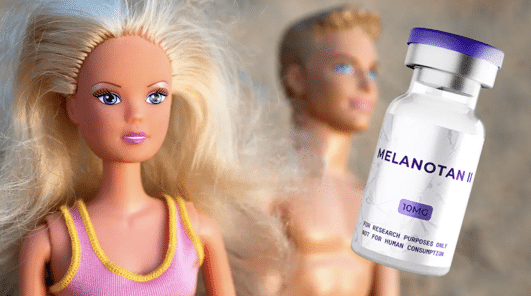
Patients occasionally ask us about Melanotan II — sometimes nicknamed the “Barbie peptide” online — after hearing it can produce a deep, even tan, along with reported effects on appetite and libido. At RevitalyzeMD in Knoxville, we think this is a topic where the marketing around it has outpaced the actual safety picture, and we want to walk through that honestly.
Quick Answer: Melanotan II is not FDA-approved for tanning or any cosmetic use, and the pigmentation it produces is not an established substitute for sun protection or a reliable way to reduce skin cancer risk. More importantly, it has been associated in medical literature with the development of new, atypical moles and darkening of existing moles — changes that can make it harder, not easier, to catch melanoma early. Anyone considering it should understand these risks clearly and have regular skin checks with a dermatologist.
What Is Melanotan II?
Melanotan II is a synthetic peptide that acts on melanocortin receptors in the body — the same general receptor family involved in skin pigmentation, appetite regulation, and sexual function.
-
- It stimulates melanocytes (pigment-producing cells) to increase melanin production, which is what produces the tanning effect.
- Because it acts on multiple melanocortin receptors rather than one specific target, it can also affect appetite and sexual desire — this lack of selectivity is part of why a more targeted peptide (PT-141/bremelanotide) was later developed specifically for sexual function, without the tanning and appetite effects.
- It is typically administered by injection.
What's Actually Established — and What Isn't
This is the most important section, and where we want to correct some common claims:
-
- It is not FDA-approved for tanning or cosmetic use. A related compound, afamelanotide, is FDA-approved — but only for a specific, rare light-sensitivity condition (erythropoietic protoporphyria), not for general cosmetic tanning.
- Increased pigmentation is not the same as meaningful sun protection. The tan it produces does not eliminate the need for sunscreen or sun avoidance, and shouldn’t be treated as a substitute for either.
- It has not been shown to reliably reduce skin cancer risk. This claim circulates in online communities, but it isn’t supported by strong clinical evidence, and it runs counter to a more serious, documented concern described below.
- A real, documented safety concern: changes to moles. Medical literature has reported cases of Melanotan use leading to the development of new, atypical-appearing moles and darkening of existing moles — changes that can make it more difficult for a dermatologist (or the patient) to distinguish a benign mole from an early melanoma. There are published case reports describing melanoma diagnosed in Melanotan users.
- Other reported side effects include nausea (common, particularly with higher doses), flushing, changes in blood pressure, and spontaneous erections in men (related to the same receptor pathway involved in PT-141’s mechanism).
Who Should Not Use This
Given the concerns above, this is not something we would recommend for:
-
- Anyone with a personal history of melanoma or other skin cancer
- Anyone with a family history of melanoma
- Anyone with many moles, atypical moles, or a personal history of significant sun damage
- Anyone unwilling to commit to regular dermatologic skin checks while using it
If Someone Chooses to Use It Anyway
We’re not going to pretend people won’t seek this out regardless of the concerns above, so if you or someone you know is using or considering Melanotan II, a few things matter:
-
- See a dermatologist for a baseline skin check before starting, and continue regular skin checks while using it — this is not optional given the documented concern about new and changing moles.
- Any prescribing should come from a licensed physician, not an unregulated online seller. Products sold as “research chemicals” or labeled not for human use carry unknown purity and contamination risks on top of the substance’s own known effects.
- Continue standard sun protection (sunscreen, sun avoidance during peak hours) regardless of how tan you become — this product does not replace that.
- Report any new or changing mole to a dermatologist promptly, rather than assuming it’s an expected cosmetic side effect.
When to See a Physician or Dermatologist
- Before starting Melanotan II, for a baseline skin evaluation
- If you notice any new mole, or a change in size, shape, or color of an existing mole, while using it
- If you experience persistent nausea, blood pressure changes, or other side effects that concern you
- If you have any personal or family history of skin cancer and are considering this product
Frequently Asked Questions
Does Melanotan II protect against skin cancer?
No — this is not supported by strong clinical evidence. The pigmentation it produces isn’t an established substitute for sun protection, and separately, its use has been associated with mole changes that can complicate melanoma detection.
Is Melanotan II FDA approved?
No. It is not FDA-approved for tanning or cosmetic use. A related compound is approved, but only for a specific rare medical condition unrelated to cosmetic tanning.
Can Melanotan II cause skin cancer or make it harder to detect?
There’s no strong evidence it directly causes skin cancer, but it has been associated with new, atypical moles and darkening of existing moles, which can make early detection of melanoma more difficult. There are published case reports of melanoma in Melanotan users.
What are the side effects of Melanotan II?
Reported side effects include nausea, flushing, blood pressure changes, and spontaneous erections in men, related to its effect on melanocortin receptors.
Who should not use Melanotan II?
Anyone with a personal or family history of melanoma or other skin cancer, a significant number of moles, or atypical moles should avoid it. Regular dermatologic monitoring is important for anyone using it.
Is it safe to buy Melanotan II online?
This isn’t recommended. Products from unregulated online sellers carry unknown purity and safety risks in addition to the substance’s own known effects — any use should involve a licensed physician.
The Takeaway
- Melanotan II is not FDA-approved for tanning, and its pigmentation effect is not a substitute for sun protection.
- Claims that it protects against skin cancer are not well supported and run counter to a more serious, documented concern: it has been associated with new and changing moles that can complicate melanoma detection.
- Anyone using it should have regular dermatologic skin checks and continue standard sun protection regardless.
- Sourcing should only be through a licensed physician, never an unregulated online seller.
Have Questions About Your Skin Health?
If you’re in Knoxville or anywhere across East Tennessee and you have questions about a cosmetic peptide you’ve heard about — including this one — RevitalyzeMD can give you an honest, evidence-based assessment rather than marketing claims.
Source: RevitalyzeMD educational video. Note: this written post substantially reframes the safety claims made in the original video, which described Melanotan II as “photoprotective” and cancer-protective — claims we do not believe are supported by current medical evidence and have corrected here. We’d recommend the original video be reviewed and revised to match before both pieces of content are published together.